
How does engineering create value?
We believe the key to unlocking engineering's full potential lies in shifting our focus from just how things are done, to deeply understanding why. This thinking elevates an engineer to trusted leader and problem-solver.
The industry challenge
The construction industry is dealing with its greatest challenge: falling productivity. Despite the engineering profession remaining highly trusted, its perceived value is also diminishing. For decades, the industry has seen a rise in commoditised solutions, where consultants and their work have become interchangeable. Meanwhile, the challenges we face: persistent skills shortages, the arrival of AI, to a global transition to a low-carbon world, have never been greater.
A key contributor to this trend lies in how our industry views its purpose. The focus is often on an engineer's mastery of theory and standards (the 'how') without directly linking that skill to the value delivered to clients and society.
Our philosophy of value creation
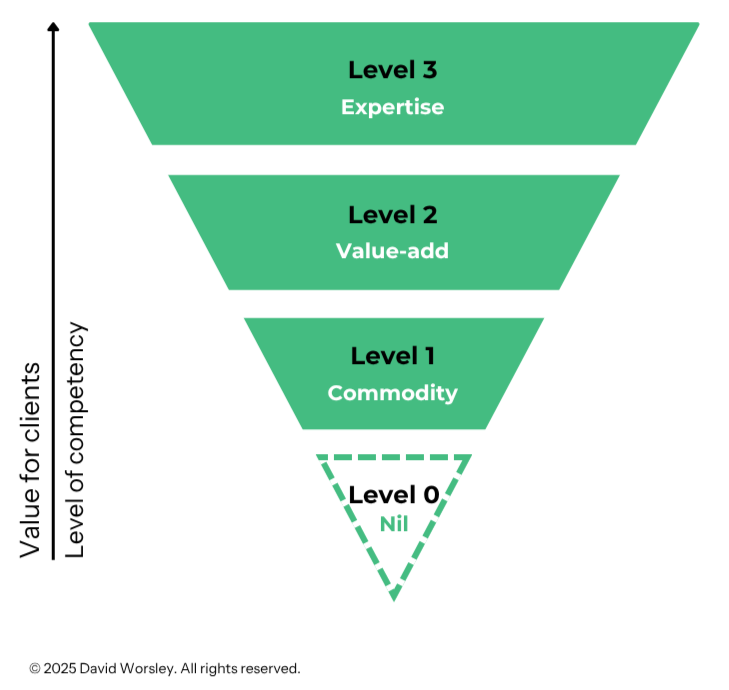
In response to this trend, our founder, David Worsley, theorised a 3-tiered Value Creation Framework. This unique model redefines engineering competency by evaluating skill through the lens of tangible value delivered. The more you understand the context of a problem (the ‘why’) the greater the value created.
-
Answering ‘Why not?’
Combining Level 1 and 2 competencies to create new or better standards, legislation, bespoke solutions or methodologies that are new to the industry, business or client. This creates the maximum value for client and industry.
-
Answering ‘Why?’
Knowing why we should or should not undertake these engineering activities and understanding the context in which we make decisions and create design solutions. Consider legislation, technical, social, ethical principles, or client objectives.
This can create divergence in solutions between engineers and can create true value for a client (such as cost savings or reduced risk) in comparison to a generic solution.
-
Answering ‘How?’
Knowing how to undertake routine technical engineering activities to develop solutions. This includes using templates or software, or being able to apply standards.
This represents the operational mode for many consulting engineers. This standard of competency is commoditised and engineering solutions are often generic and may be indistinguishable from one engineer to another.
-
Answering ‘What?’
Understanding of what an engineering discipline does or is. For a civil engineer this might be knowing concepts of pavements, earthworks, drainage or water sensitive design. These activities generally have no value to a client but are a necessary foundation to develop value-creating competencies.
Engineers of all experience can operate at any level
There is an expectation that those with more experience should spend a larger proportion of time operating and developing at higher levels. However even a fresh graduate can provide significant value if they can develop a new tool or method for an engineering solution using knowledge they acquired during their study.
From theory to practice
We apply this framework to every project. For example, a standard Level 1 approach to stormwater might involve applying standard guidelines to design an underground detention tank. Our Level 2 analysis, however, considers the site's broader context, often revealing that detention storage is unnecessary or even detrimental. At Level 3, we apply regenerative design principles to go beyond standards to achieve environmental outcomes without carbon-intensive infrastructure and at a lower cost.
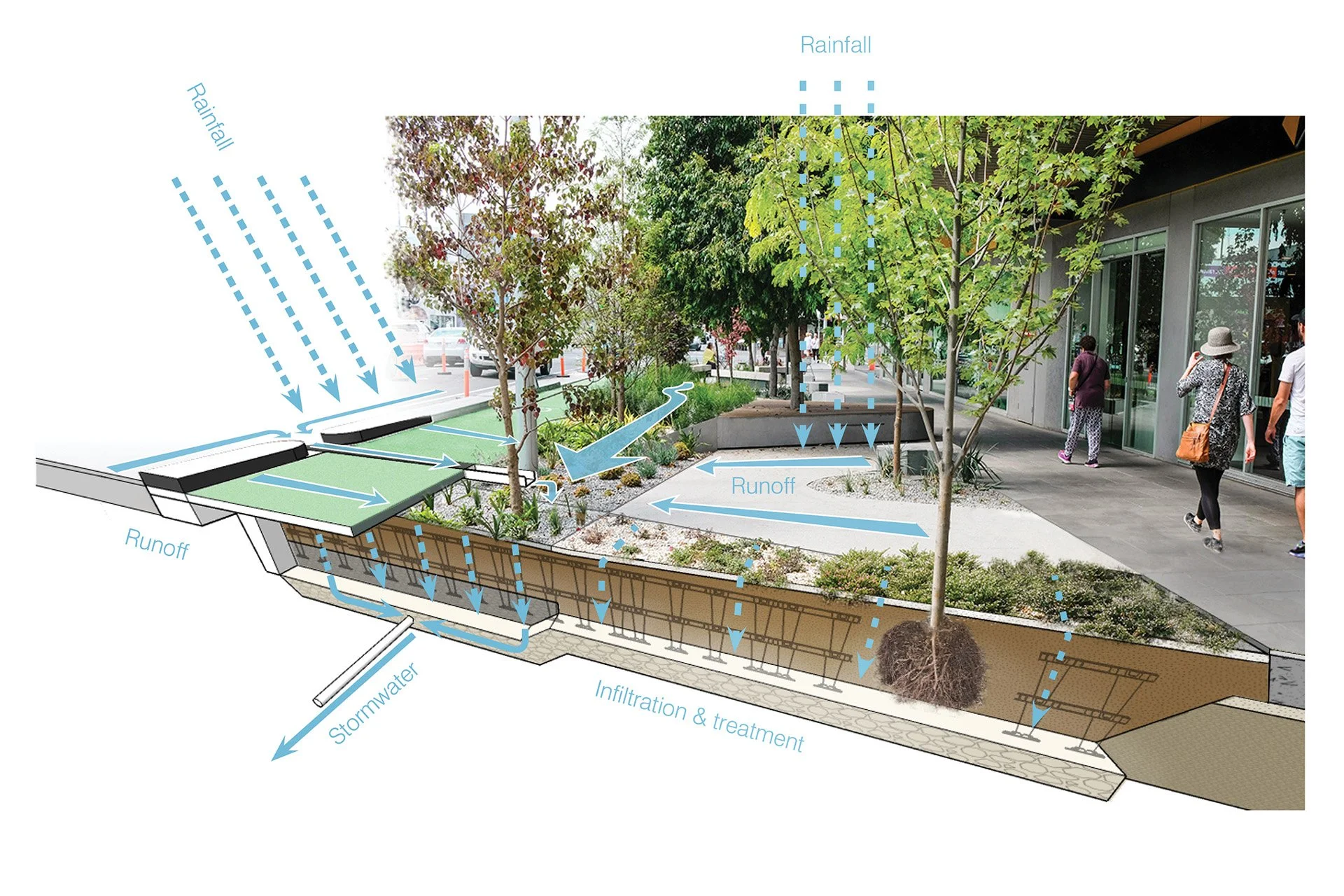
Malop Street Green Spine, Geelong. Design concept developed in collaboration between David Worsley and Outlines Landscape Architecture. Image courtesy of Outlines.
The story behind our philosophy
The story of our firm began when founder David Worsley observed a diminishing perceived value for engineering in a world that needed it more than ever. This inspired him to develop our framework. This philosophy permeates every process of our practice. It is even embedded in our logo. It is how we generate higher-value solutions for a more resilient future. Read the full article.

High value solutions
-

Climate sensitive design
Beyond standard practice: designing for a resilient and decarbonised future. Learn more.
-
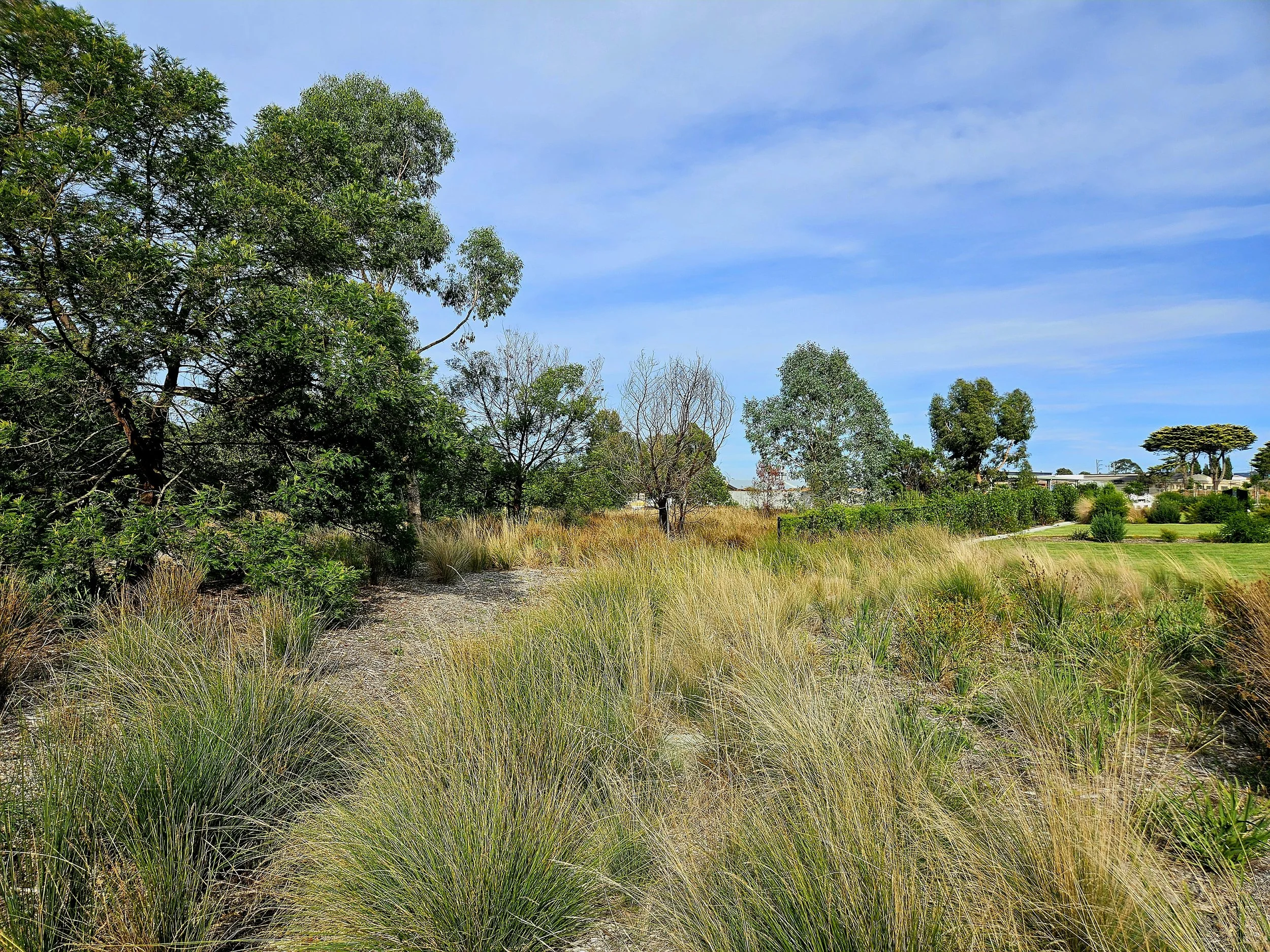
Regenerative civil design
Discover our Level 3 approach to civil engineering design that supports a more resilient built environment. Learn more.
-
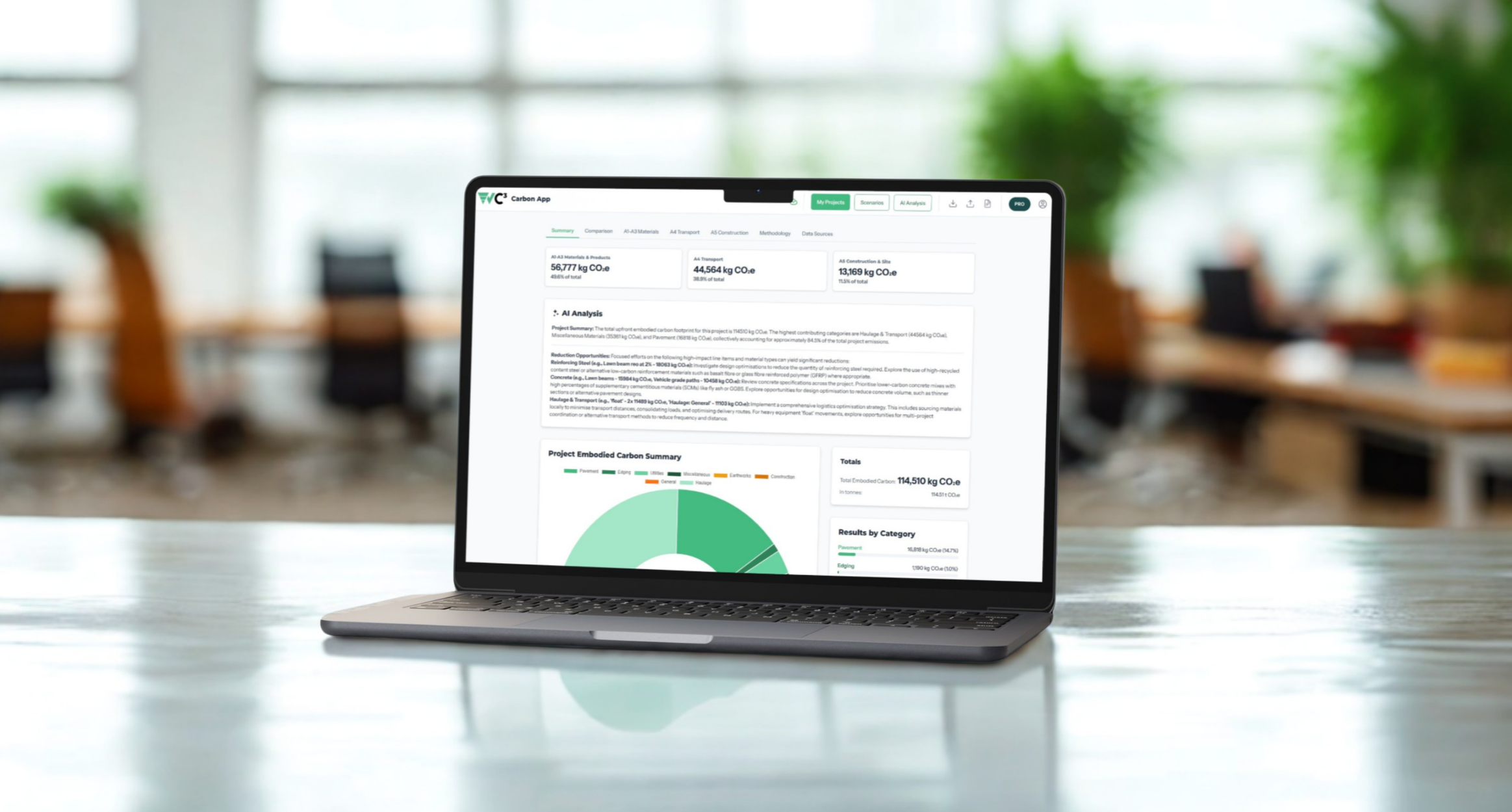
WC3 Carbon App
Australia’s first comprehensive carbon calculator for civil infrastructure. Learn more.
Ready to transform your project?
Get in touch with our talent or learn more about us.